





What to Know About Lab Diamonds When Shopping
A stone isn’t merely purchased here – it becomes part of your story. Choosing one means weighing durability alongside personal significance over years. When hunting for top lab diamonds in the UK, thoughts often turn to clarity, cost, how much faith you can place in the source. These stones grow in labs yet they’re still genuine – identical down to the carbon lattice. Imitations? Not even close – they match mined versions atom by atom. One thing sets them apart: their origin. Not buried beneath earth for ages, but made under careful lab settings. Same arrangement inside, same shine, same toughness. Skip wondering if they count as genuine – because they do. Focus shifts toward spotting quality, choosing wisely.
Lab Diamonds Creation Process
Fake diamonds come about in two primary ways inside labs.
- High Pressure High Temperature or HPHT
- Chemical Vapor Deposition or CVD
One way copies how diamonds form underground. The other relies on extreme pressure and temperature. A different method builds the stone slowly with a special gas. You do not have to understand every detail. What counts are lab reports and quality scores. One thing to check is whether the lab diamond has proper certification – it should list how it was made along with its quality rating. Take, for instance, a 1 carat CFD-grown stone reviewed by IGI, showing top-tier cut precision and VS1 purity; that kind matches a natural gem rated just the same. While details matter, knowing the origin helps judge fairly.
Buyers in the UK prefer lab diamonds
One factor? The price tag. Best lab diamonds UK usually run between thirty and fifty percent lower than natural ones with matching traits. This gap means extra cash stays in your pocket – or lets you step up size or clarity without stretching the budget. Then there’s conscience. Mining carries baggage: land disruption, labor issues, emissions. Some shoppers just rather skip that chain altogether. Starting in a lab cuts out parts of the usual path. Quality control plays a role too. Since conditions stay steady during growth, raw consistency improves. Fewer flaws show up more often under those circumstances. Clear stones appear regularly without high costs. When checking choices online, including sites like donnacazzo69.com, look for proof and openness instead of what brands say.
Judging Quality Like a Pro
You need to understand the four Cs.
Cut
Light performance hinges mostly on how a stone is shaped. When crafted precisely, a diamond sends light back in balance. If the angles fall short, brightness fades – no matter how pure or tint-free it seems. Aim for top-tier cut ratings when you can.
Color
Starting at D, the highest level of clarity in hue, color fades toward noticeable warmth by Z. Downward movement along the spectrum brings gradual hints of yellow. White sparkle stays strong from D through H for typical ring settings. Gold metal hides faint tints well. Lower than H might still look neutral when surrounded by warm-toned gold. By Z, tint becomes unmistakable under close observation.
Clarity
Inside marks tell how clear a stone is. From perfect down to noticeable flaws, levels go step by step. A grade like VS1 or VS2 often gives solid value without high cost. Most people cannot spot imperfections just looking normally.
Carat
Weight matters, yet how big a diamond seems isn’t just about that number. One might look larger than another even when both weigh the same. Cut shape changes everything – how light moves inside, how wide it appears. Brightness often wins over bulk. Sometimes less is seen as more.
Certification Is Required
Start smart when hunting for top lab diamonds at UK shops – demand proof from neutral experts. Check for reports by:
- IGI
- GIA
- HRD
A certificate must show the diamond was made in a lab. Full details about its grade need to appear, along with a number you can check on the web. Trusting just what the seller claims is risky. Say a product mentions a 1.5 carat stone with almost no color – without a grading report, its actual standard stays unknown.
Comparing Prices Across the UK Market
One thing affects cost – how big the stone is, plus its quality traits. A 1-carat lab diamond in the UK, sharp cut and clean look inside, might surprise you by price tag alone. Brand name plays a role, quietly pushing numbers up or down. Shopping online? Expect differences, since those sellers skip extra costs of storefronts. Check each option closely before deciding what feels right
- Last thing to do? See whether the price covers VAT
- Confirm return policy
- Review warranty terms
- Ask about resizing costs for rings
Just because it costs less does not mean it works better. What you get matters more than what you pay, especially when things stay unclear.
Choosing the Right Setting
A backdrop shapes how things look, also influences how long they last. Common picks involve:
- Solitaire
- Halo
- Three stone
- Hidden halo
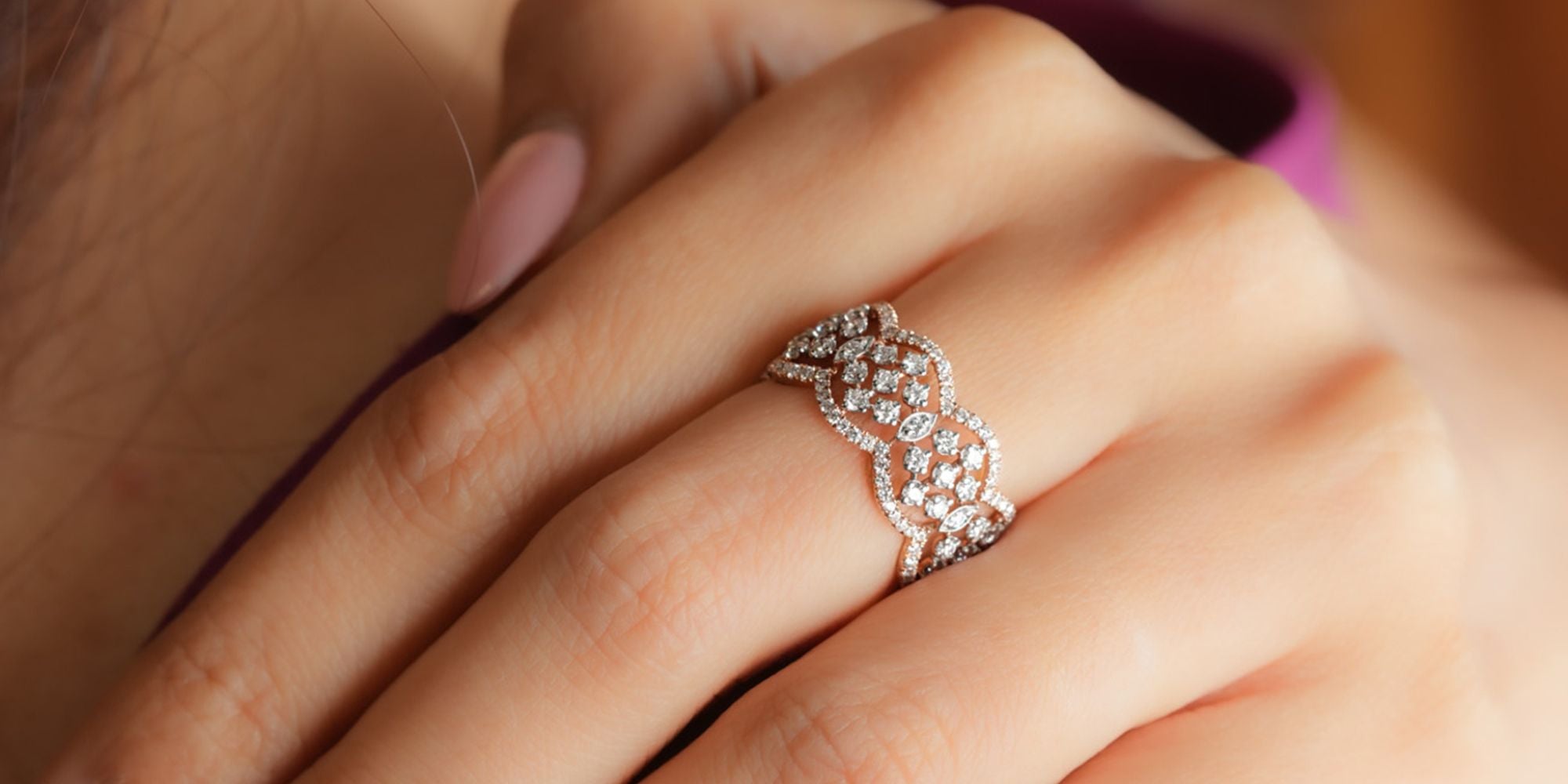
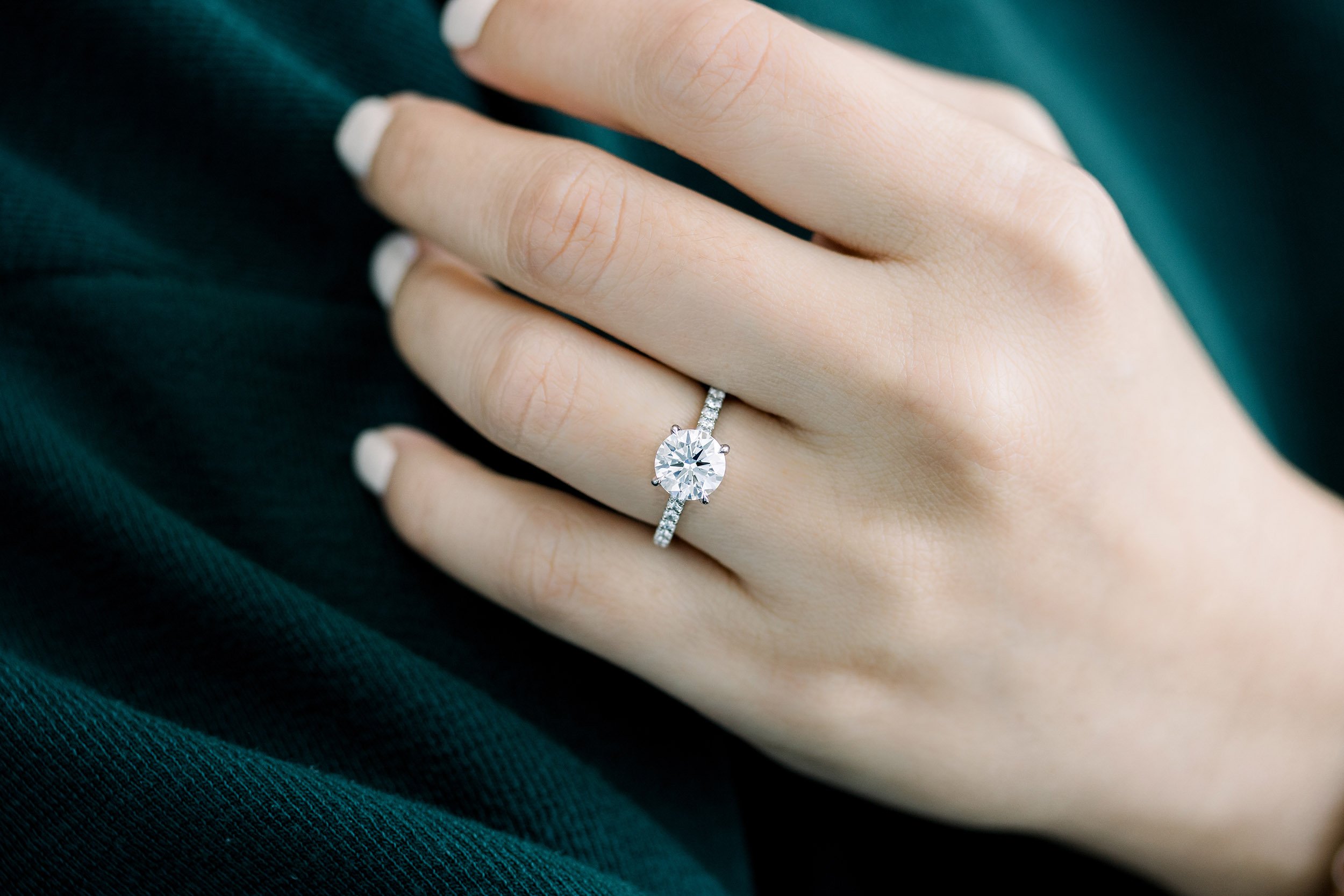
One thing stands out with a solitaire – the eye goes straight to the diamond. Sparkle gets a boost from a halo, while size illusion tricks the gaze into seeing something bigger. Life moves fast, so maybe go low when it comes to ring height. Tall mounts snag fabric or scrape against things by accident. The kind of metal shifts how everything reads at a glance. Picking platinum means you get strength along with a cool silver glow right from the start. On the flip side, white gold looks almost identical yet comes easier on the wallet – though every few years it might need a fresh coat to stay bright.
Common Mistakes to Avoid
Size grabs attention first. Yet poor cuts often follow when that’s the sole priority. Fluorescence tends to get overlooked too. A few lab stones glow slightly if exposed to ultraviolet rays. Most of the time, though, it leaves the look unchanged. Even so, check the paperwork before deciding. Jumping in fast might cost more later. Spend moments lining up several gems next to each other. Try this: Look at a pair of one-carat diamonds – one shaped perfectly with slight imperfections inside, the other different. A stone like this one often shines just as well despite a small drop in purity. Brightness can win out when the craftsmanship stands strong, even if the inside holds tiny flaws.
Resale And Long Term Value
A lab diamond won’t fetch the price of a rare natural stone when resold. Choose it because you like how it looks, not hoping to profit later. Beauty and strength stay just as high either way. Just know what actually happens in today’s market before deciding. When selling back matters to you, ask the seller straight up what they offer.
Online versus in store shopping
Most websites offer more items plus better prices than physical stores. While browsing there, take time to check reports and product details however you like. In person, lights show gemstones differently, which helps when asking experts questions. When shopping online, make sure:
- Secure payment methods
- Insured delivery
- Clear return window
Most people in the UK hunting for top-quality lab-grown diamonds begin by browsing online, sorting through picks before stepping into a display space when there is one nearby.
Make Decisions With Confidence
Picture how much you want to spend before anything else. What grabs your attention – how big it looks, how bright it shines, or just how it feels when you see it? Begin by focusing on the way it’s shaped and angled. After that, pick the best shade and purity you can get within your number, making sure it still lights up like fire. Start by asking for the grading report – then take time to look it over. One stone after another, check three options closely before deciding. Hesitation? That is okay. Wait until things seem clear. Buying a diamond works better when facts guide each step, not pressure. Once measurements matter more than myths, picking solid sources for lab diamonds in the UK turns straightforward.
FAQ
Are lab diamonds real diamonds?
Fine. Same makeup, same hardness – just born in a lab instead of dug up deep underground.
Will lab diamonds stand the test of time just like natural ones?
True enough. Both stand up just as well over time. Given the right attention, each might pass down through many years.
What separates a lab diamond from one pulled out of the ground?
You won’t see it just by looking. Advanced tools are needed to trace where they come from. The paperwork tells you straight up if the diamond was made in a lab.