


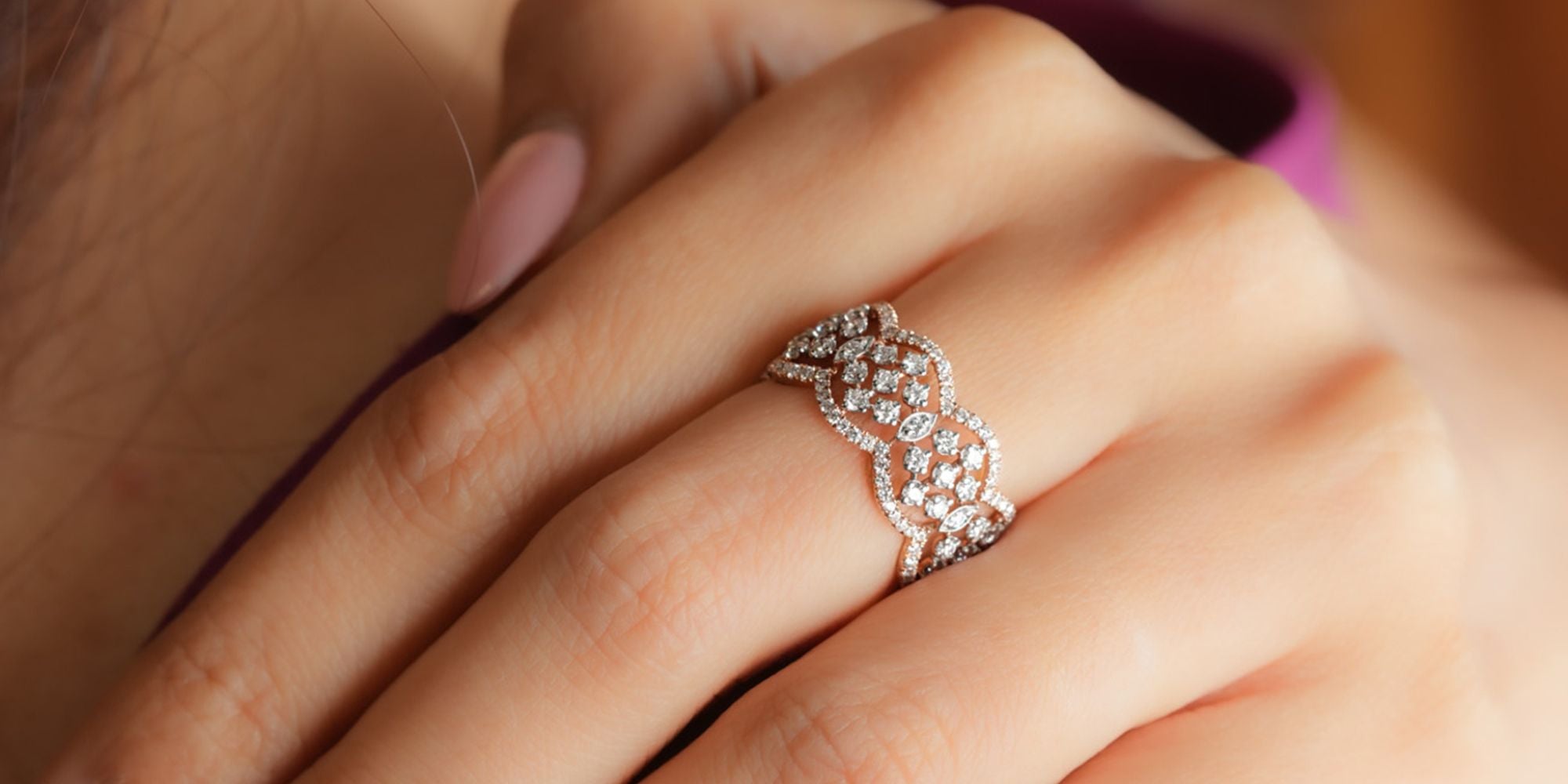

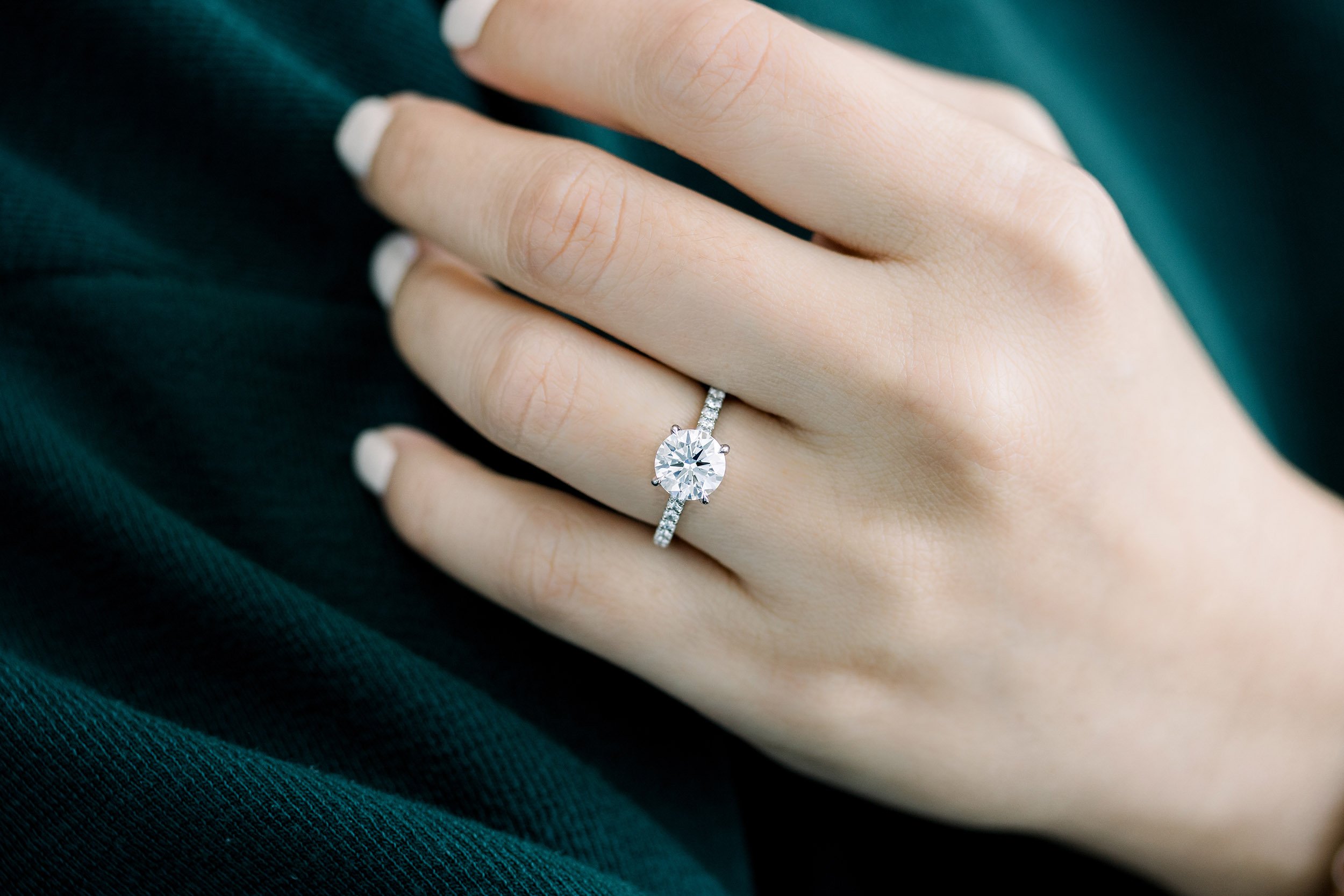


Lab diamonds explained simply
Searching for a lab diamond wedding band means more than picking out jewelry. It’s about getting something honest, strong, and clear. Your choice should match what matters to you without stretching your wallet. Real diamonds exist within reach – if you look closely. The decision feels heavy because it lasts. Knowing helps. One reason lab diamonds exist? They tackle cost and origin doubts at once. Mined stones tend to carry steep tags plus murky backgrounds. Wondering about a diamond’s journey is normal – so is wondering if the price makes sense. These grown gems step in here. Real sparkle, real structure, made without digging deep. Identical shine. Same toughness. Just like earth-mined ones, they stand the test of time. Thinking about a wedding band. You want clear details, nothing exaggerated. Skip the noise. This covers what matters. Know what to expect. Feel sure about your choice.
Lab Diamonds Explained
Inside labs, people make diamonds through two ways: one squeezes materials like Earth does, another builds them from gas. These techniques copy how nature grows gems far below ground. What comes out matches real diamonds atom by atom. Just carbon locked in a repeating grid, nothing added. Ten is where it lands on the Mohs hardness chart. Grading happens through well-known gem labs. Flaws might show up, shades may shift, light plays within – same as natural stones. This isn’t a fake. A genuine diamond, yes – but born in a lab instead of deep rock.
Buyers Pick Them for Wedding Bands
A ring on your finger stays there through thick and thin. Because it bumps into things, gets soaked, rubbed raw over time. Toughness counts. Price tags do too. That is why more pairs pick lab stones when setting their bands
- Spending less when you pick these instead of natural stones that look just alike. Size and quality match, but the price tag doesn’t weigh as much. Cheaper without sacrificing what matters. Not dug from the earth, yet equal in appearance. Wallet feels better while looks stay sharp
- From start to finish, how it’s made stays in check. Where it begins matters just as much as what happens after
- Larger gems come into reach when funds stay fixed. Picking hefty pieces fits without stretching cash. Bigger means more visible sparkle, even on a tight plan. Cost stays flat, yet size jumps up. Room grows for bold choices where price holds steady
- Same physical and optical properties as mined diamonds
When money stays within strict limits, choosing becomes clearer – either half a carat of natural diamond appears, or three-quarters comes through lab growth, both matching in sparkle and shade. This shift alters how the ring presents itself on hand.
Understanding Quality Factors
A fresh look at lab diamonds means checking them just like natural ones – cut, clarity, color, carat. Each trait tells a story when seen up close. Not every stone shines the same under light. Weight matters, yet how it sparkles often speaks louder. Seeing these traits together shapes what stands out. One feature might catch your eye first, but the rest follow closely behind.
Cut
Light performance drops most when the cut is off. Brightness comes from how evenly a diamond sends light back. Even top clarity and color cannot hide a bad cut – it kills shine. Rows of small diamonds on a wedding ring need uniform cuts. Mismatched sparkle stands out fast. What matters least? Ignoring balance between stones.
Color
Starting at D, diamonds show no color. Moving toward Z, hints of yellow or brown begin appearing. If your ring has a white gold setting, aim for D through G stones. Platinum works best with nearly colorless gems. With yellow gold, even I or J might seem bright – the warm metal masks slight tints. Lower grades hide imperfections well when framed by golden tones.
Clarity
Most tiny diamonds in wedding rings show no visible flaws when looked at normally. Inside and outside marks define how clear a stone is. A loupe reveals issues the naked eye often misses. For little side gems, top-tier purity isn’t necessary. What matters is looking flawless in daily light, not under intense scrutiny. Seeing it cleanly by sight beats lab-grade results every time.
Carat Weight
What you notice first might not be stone size but how much sparkle the whole ring gives off. One continuous loop of tiny diamonds can weigh quite a lot when combined. Fit plays a role too – some rings sit snug while others stick out just enough to catch fabric. When gems are bigger, they lift the design upward, changing how it feels during everyday moments.
Cost and Long Term Value
What draws people to lab diamonds? Often it’s the cost. These stones usually come in cheaper than natural ones that match in quality and carat. Sometimes the gap is small. Other times, quite large – shaped by current demand. Yet a smaller price tag doesn’t bring weaker strength. Hardness stays unchanged, plus wear resistance does too. Still, think about what happens when selling later. Resale worth often falls below original cost, no matter if the diamond comes from deep underground or a lab. A wedding ring means something different – it lasts, matters to you, sits on your hand every day. Looks shine just as bright with lab stones, even when funds are tight.
Selecting a Lab Diamond Wedding Band
Built right, a band should fit how you live. Style matters just as much as where it sits on your skin. Comfort shows up in small details others skip.
- Start by looking at what kind of metal it is. Heavy feel? Could be platinum – it holds up well over time. If it’s white gold, strength isn’t an issue, though a fresh coat of rhodium now and then keeps it bright. Finish checking based on these traits.
- Start by checking how it’s set. Stones held with shared prongs tend to catch light in a flashier way, yet leave corners open. When gems sit in channels, they’re safer from knocks. The setup shapes both shine and strength.
- Start by checking how it feels. Slipping it on ought to be smooth, yet once there, movement stays limited.
- Get a grading report when buying bigger stones. Request proof of quality if the stone is large. For sizable gems, always check the official evaluation. Larger pieces need documented verification. Demand paperwork that confirms worth on big stones.
Most folks who use their hands all day find flat rings easier to live with. When gems stick up too far, they snag on things without warning. Think of hospital shifts or under-the-hood repairs – those jobs suit bands where stones hide inside the metal, lined up tight. Little diamonds nestled like that won’t slow anyone down. Office settings? Different story. There, light matters more than safety. Prongs shared between stones let each diamond breathe, sparkle rising sharply in fluorescent glow.
Ethical and Environmental Considerations
Lab diamonds appeal to some shoppers who care about where their stone comes from. Because digging up earth often harms landscapes and raises worker concerns. Factories make these stones without excavation altogether. Still, making them isn’t free of footprint – power is always needed. How green it really is ties directly to whether that power comes from sun, wind, or coal. Should sustainability matter to you, get in touch with the store and inquire how they source materials or handle manufacturing. Assumptions aren’t required here. Straightforward replies are within reach.
Certification and Transparency
Picture this – trusted jewelers hand over certification papers written by official labs. Those details? They prove how well the stone was cut, its shade, purity, plus exact size in carats. One thing first, though: get clear on that paperwork ahead of time
- Check whether a recognized lab has assessed the diamond
- Check if there’s a tiny number written on the stone by a laser. See it matches the document ID
- Check how returns work
What you see matters. When every step is recorded, surprises stay away – clarity shows the real cost of your choice.
Care and Maintenance
Even though they come from a lab, these stones still lose their shine when touched by lotions or grime. Over days, everyday contact builds up gunk just like it does on natural gems. Cleaning them regularly keeps the glow alive – think warm water, soft brush. A little attention every few weeks makes a difference without fuss
- Start by rinsing under lukewarm liquid while adding a gentle cleanser. A soft stream helps lift residue once you include soap. Work the mixture slowly so it spreads without rushing. Finish by wiping away moisture after the solution has settled
- Use a soft brush to remove buildup
- Once each year, get a qualified expert to check things over
Bumping your ring while doing tough work might damage it. Diamonds resist scratching but can crack if hit just right. Taking simple steps helps everything stay secure. Keeping things clean matters more than most think.
Are They Right for You
Picking a wedding band? It comes down to what matters most to you. Price plays a role, sure, yet so do beliefs, how it looks, also how well it lasts. With lab diamonds, shaping the stone and managing expense becomes easier – still keeping everything people value in a real diamond. Want something indistinguishable from traditional rings minus the higher price tag? That path fits. Start by thinking where things come from – this covers that base too. Your routine, what you value, shapes the real test. Pay attention to build, feel, how it sits on your hand. How it was made just adds one layer among others.
Frequently Asked Questions
Are lab diamonds real diamonds?
Fine. Identical makeup, just like natural ones. Same way of checking quality applies too. Looks match exactly because the core traits line up perfectly.
Do lab diamonds last as long as mined diamonds?
True enough. Both stand up just as well over time. Given the right attention, each might never need replacing.
What separates a diamond grown in a lab from one pulled out of the earth?
A closer look won’t help. Tools built for the task are needed because only they show how things grew – and where they came from.